Category Archives: In transit

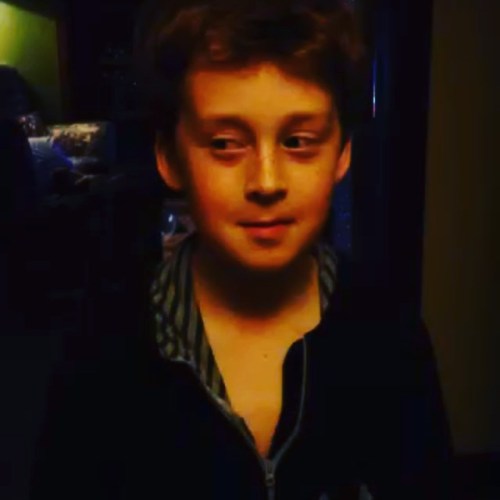
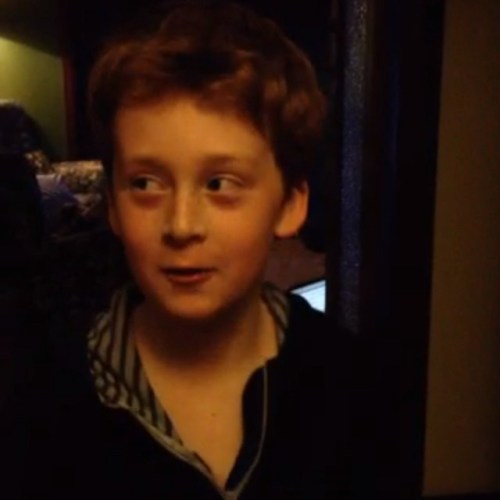
With one week to go, what Oliver is looking forward to in Africa

We are trying out video diaries for our African blogging. We’d like to be able to send links to Oliver’s class (3/4T) and Louisa’s class (KR) and let their classmates follow along with Oliver and Louisa’s journey. I am struggling a bit with uploading videos to the blog on iPhone or iPad. I can get it to work on my laptop but I won’t be taking my laptop. So after some fiddling around here goes. A short video of Oliver describing what he is looking forward to in Africa (in two parts via Instagram, which has a 15 second limit, or the full version via You Tube). We now have an Instagram account and a YouTube Channel you can subscribe to where our photos and videos will appear as I work out the best workflow for blogging on the go. Look for “oliverandamandaineurope”:


Part 1:


Part 2:


Or try this link of the full video from You Tube:


oliver&amanda&louisa&peterinafrica

I am reviving this blog a second time to document a new adventure. In May this year, my husband (and Oliver’s dad), Peter, is attending a conference in Pretoria, South Africa. Peter backpacked through Africa in the early 90s, although not South Africa, which still was in the grip of apartheid and under sanction. He started in Harare, the capital of Zimbabwe, africalargemapand travelled through Botswana, Zambia, Malawi, Tanzania, Zanzibar, Kenya, Uganda, Rwanda, the Democratic Republic of the Congo and Burundi. He was on the road for 6 months. I will ask him to post some pictures and memories to the blog at a later date.

Peter is keen for the whole family to travel to South Africa and join in a safari adventure.

Peter will fly first and then Oliver (9), Louisa (5) and I will fly a few days later to meet him. We will fly from Sydney to Johannesburg and drive to Pretoria. Pretoria is one of three capital cities in South Africa.  Interestingly, South Africa has separate capital cities dedicated to the executive (Pretoria), the legislature (Cape Town), and the judiciary (Bloemfontein). So perhaps somewhat like Canberra?

While waiting for Peter to finish his conference commitments and for the first of three legs of our trip to start, we hope to visit a cheetah research and breeding centre as well as the “Cradle of Humankind” World Heritage Site, where it is claimed humans originated from.

elegant-lounges-21

On board the Blue Train

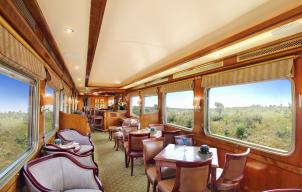
A few days later we plan to travel on The Blue Train from Pretoria to Cape Town: a 27 hour, 1,600 kilometre journey through the heart of South Africa. The Blue Train was part of a plan in the 19th century to build a train line for steam engines from Cape Town to Cairo. The line was built in the 1920s but only got as far as the Zambezi River; far from Cairo. Today it still runs around mountains, across deserts and over grasslands from the top to bottom of South Africa and back. We can watch the African world go by out the windows of luxuriously restored carriages; the Blue Train is billed as “a window to the soul of South Africa”. Half way to Cape Town we stop in Kimberley; an historical diamond mining town and home of the famous De Beers company.

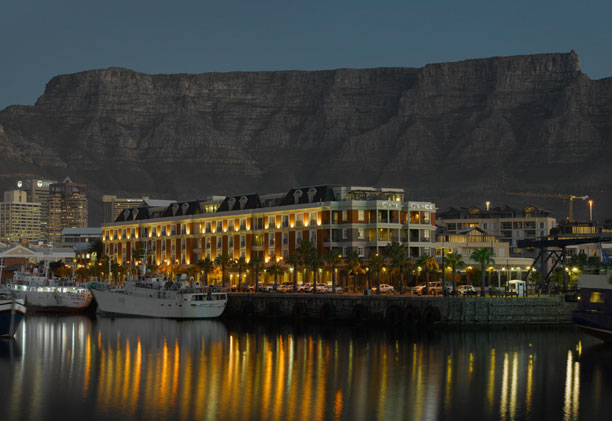
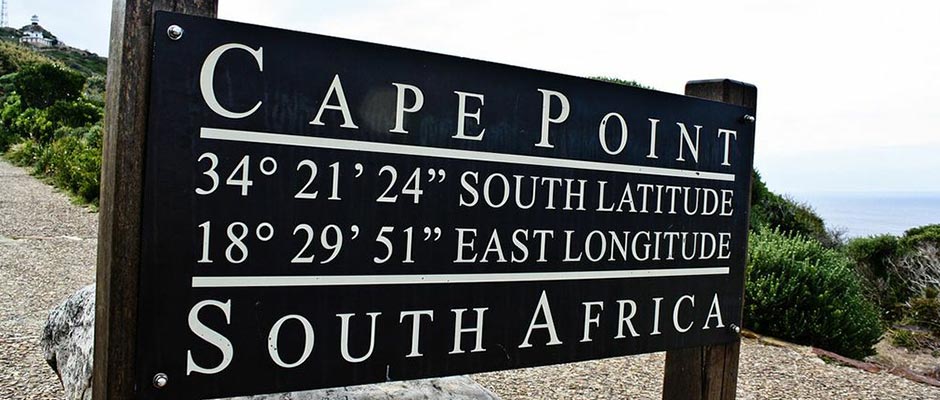
In Cape Town we will stay on the V&A (Victoria and Albert) Waterfront at Cape Grace Hotel, which sits below Table Mountain. From here we hope to visit Cape Point (the Cape of Good Hope), the most south-western point of Africa, rich in maritime history. Peter and Oliver also hope to visit a Cub Scout Troop while we are there.

Cape Grace Hotel, Cape Town

Cape Grace Hotel, Cape Town

Cape Point, Cape Town

Cape Point, Cape Town

From Cape Town we will fly to the edge of the Kalahari Desert and Tswalu Kalahari Game Reserve. Tswalu is South Africa’s largest private game reserve covering 100,000 hectares. Kalahari Bushman have lived here for 20,000 years. Unlike many game reserves, Tswalu welcomes children. We will stay in The Motse, which means “village” in Tswana, in little houses made of local stone, red clay, and Kalahari thatch. On game drives we will see lions, cheetahs, giraffes, rhinos, zebras and many more animals.

image-panel-2010-motse11

The Motse, Tswalu Kalahari Game Reserve

kalahari

Looking out over the Kalahari

Finally we will fly from Tswalu to Johannesberg and then on to Sydney.

Peter is enjoying planning this trip, although mindful of important contingencies. Many game reserves do not allow children under 12 to participate in game drives (thus his careful choice of Tswalu). We also are sticking to malaria free areas (which rules out for now amazing destinations such as Kruger National Park, in north-east South Africa, and KwaZulu-Natal, also north-east, with its rich and fascinating Zulu Kingdom history).

Over the coming few months I am going to encourage Oliver and Louisa to learn and post about South Africa and to help decide our day-to-day plans. We also need to plan our luggage carefully because there are very restricted weight limits on the small plane that will fly us from Cape Town to Tswalu. So lots of time to think about new bags, trial packs and safari clothing!

If you’ve been to South Africa and have any suggestions for things to do and places to visit, please post in the comments. More soon!

Ten tips for travelling with kids

Although I have travelled many times to conferences and for work, my trip with Oliver to Europe was the first time one of my children accompanied me. Now that Oliver and I are well and truly home, here are my top tips for a great work or holiday travel experience with a kid (with the caveat that I travelled with just one kid; a pretty easy going 8-year-old kid at that). These things worked for us:

1. Maintain bedtime

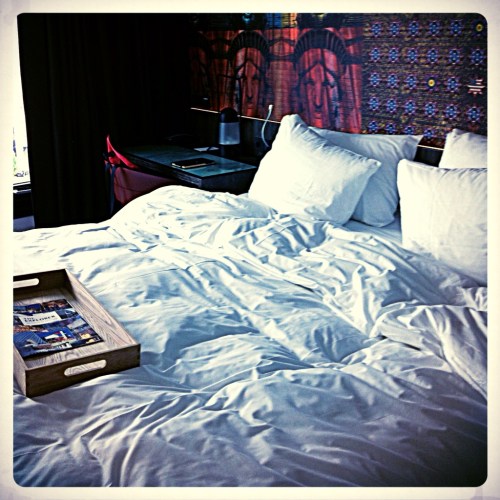
In England, Denmark and the Netherlands, the sun didn't go down until very late; after 9pm. In fact, we travelled just before and after the summer solstice, so during the longest days of the year. It was tempting to make use of these long days. But on the advice of my friend Jennie (who recently travelled to London with her similarly aged daughter), I mostly maintained Oliver's usual bedtime; around 7-8pm with only a few exceptions. When we first arrived in London, jet lag meant Oliver was ready for bed even earlier. But after he was mostly over his jet lag, I still tried to stick with early nights. This became difficult in Rotterdam where conference activities finished late and everyone then headed to dinner. We stayed out late our first night in Rotterdam (bed at 10.30pm) but on subsequent nights we skipped these dinners and ordered room service. In return, Oliver was fairly well rested for the busy days and the cumulative stress and exhaustion of travelling. Lights out at 8 o'clock was a little boring for me once I was over the jet lag, but I just wrote our blog or watched TV on my iPad (Season 1 of House of Cards!).
 

2. Let the kid decide

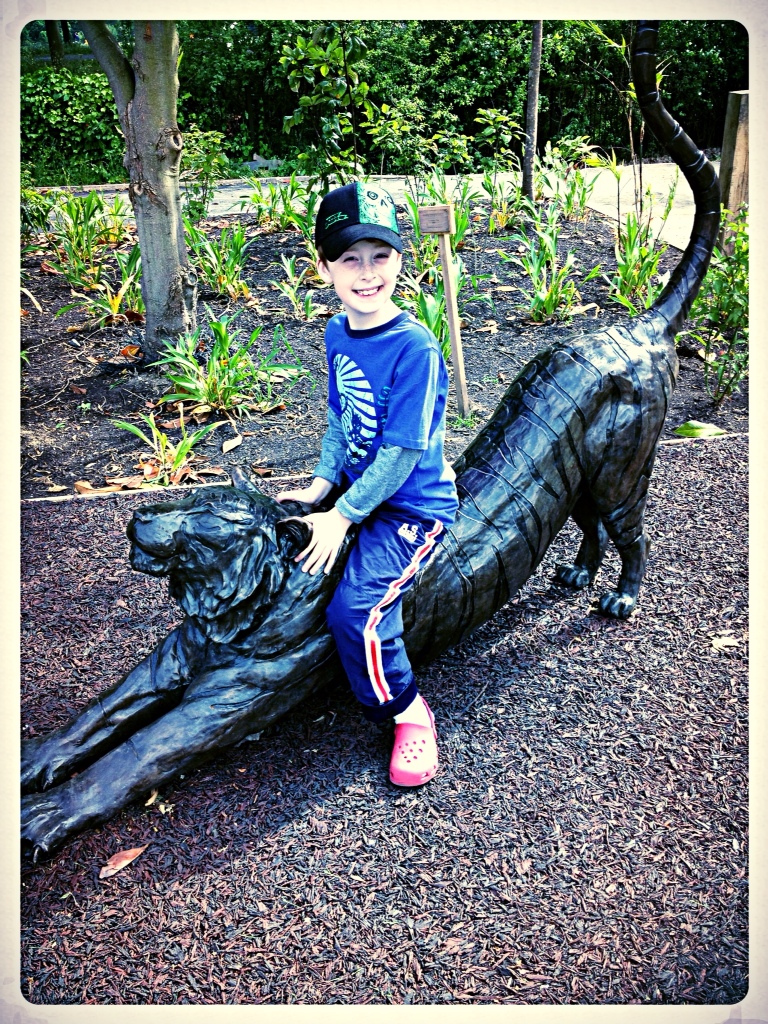
Whenever possible I let Oliver decide what we would do and see. In London there were a couple of things I definitely wanted to do, such as the Tower of London. But otherwise, I suggested options to Oliver and let him choose. For instance, in London we went to the London Zoo two afternoons in a row. Oliver loved it and wanted to go back. Once in the zoo, he cycled over and over between visits to the gorillas, monkeys, and meerkats, with a little of the tigers, african hunting dogs, aquarium, and reptiles. This is what he wanted to do and I let him, rather than pressure him to go to new places I thought he would like. He's still talking about the meerkats! A similar thing happened in Rotterdam. One morning he went with Nina, John and Doris to an architecture museum. The next morning when I had free time he didn't want to go somewhere else, but back to the same museum to show me what he had seen.


3. Don't crowd the days

When travelling to new places it is tempting to squeeze in lots of sights and activities; after all, how soon will we be back in Denmark? But a string of long days wears everyone out. We tried not to do too many things in one day and tried not to feel obligated to stay at any one place. For example, one morning in London Oliver and I visited the British Museum. You could spend days there. But Oliver was ready to leave after 90 minutes; so we left. We missed things, but when I abandoned any idea of a list of “must do” sights, it didn't matter. Given this is what worked best for us, next time I wouldn't buy the London Pass. It's really only value for money when you do a number of things each day.


4. Allow plans to change

Some days I made plans in my head of our likely itinerary. But then it didn't pan out. In London we abandoned our plan to go to Legoland Windsor after I read terrible reviews on TripAdvisor. Another day we planned to go to the Tower of London but my day pass for the train was off peak, meaning I couldn't use it until after 9.30am. So instead we wandered to Buckingham Palace and got sidetracked by Churchill's War Rooms. We also planned to take a tour of Chelsea Football Stadium, but then Oliver realised the football season was over and a tour meant just seeing the stadium not the team. Our plans changed again. I realised that as long as we were having fun it didn't matter if we missed some things I originally planned.

A somewhat related issue was money spent on unfamiliar food or drinks. In Aarhus, for instance, Oliver and I took a break in a cafe and ordered a skim milk hot chocolate and a smoothie (or so we thought). But things are made and taste differently in different countries and Oliver didn't like his drink. He tried it but didn't want to finish it. I learned not to sweat money “wasted” on such things (see point 9 below).


5. Remember “trival” things can be just as fun

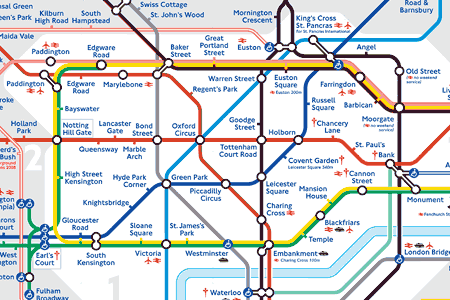
Amidst our busy travel and conference schedule, Oliver enjoyed many simple things. One morning in London he asked to go feed the ducks in Hyde Park. All this cost us was a half a loaf of bread we didn't plan to eat anyway. In return Oliver spent a wonderful hour in the park. He also enjoyed learning the London Underground, meeting and patting people's dogs in the various parks, kicking a cobblestone around the streets of Aarhus, and sitting in cafe windows and watching people go by (noticing differences between them and people at home). Unplanned, seemingly trivial activities often were just as fun as the big outings and sights. They certainly were a lot cheaper.


6. Your company and attention are worth as much as the sights you will see

Oliver was four when his sister, Louisa, was born. Since she was born he has fought to focus some attention away from her — she has been quite demanding — and back to him. To my mind, one of the very best parts of our trip was the one-on-one time that Oliver and I spent together. I know he enjoyed almost everything we saw and did together but I'm pretty sure he enjoyed as much the fact that he had (almost) my undivided attention. I loved when he said to me after our trip to the Natural History Museum in London that his favourite part of the day was spending it with me!


7. Schedule a rest day

I think it is really important to schedule down time. In London, between morning and afternoon activities we often went back to the hotel for an hour or so rest. I find travelling exhausting and I've travelled a great deal. It must be incredibly overwhelming and tiring for kids. In Aarhus we spent an entire day — the Sunday — doing almost nothing. This allowed us to recharge before we raced off the next day to Legoland and then on to Rotterdam for our last, hectic leg of the trip.


8. Watch for signs of jet lag meltdown (tired, hungry)

Both from Sydney to London and from Rotterdam to Sydney, we travelled approximately 30 hours door to door and crossed many, many time zones. This is hard enough on an adult, let alone on a kid. During the trip I was vigilant for signs of “jet lag meltdown”. Sometimes Oliver didn't realise that he was hungry or tired because his body clock was so out of whack (although he slept brillantly). He just felt unhappy. So we made a pact to be patient with one another when we were feeling a bit cranky; I made sure Oliver got as much sleep as possible; and I encouraged him to eat when he might be hungry. For breakfasts, I bought simple food from the corner store to eat when he first woke up (which in London was quite early) then we had a second, later breakfast when we were out and about. So my advice is to plan for the hunger and tiredness and count to ten!


9. Find familiar foods

Oliver was happy to try new foods. He especially enjoyed the Dutch pancakes that the breakfast chef (who took a bit of a shine to Oliver) made for him in Rotterdam. But he also appreciated familiar foods, particularly since his eating schedule was thrown entirely off kilter by jetlag. In London, in Marks and Spencer, Boots or Pret a Manger, we easily found ham and cheese sandwiches and apples (two favourites), which helped his transition to the new time and environment.


10. Choose hotels with wi-fi (and bring a device or two)

We spent a lot of time in transit and Oliver spent a lot of time in conference venues. He maintained his good humour in part by listening to music, reading on, or playing on his iPad mini. Occasionally he wanted to download new things or to play online. In Aarhus, he was lucky to find another boy at the conference and they played side by side on their iPads while I was giving my talk. So I was pleased and mildly surprised to find that every hotel we stayed in and the conference venues all had free wi-fi for an unlimited number of devices. This contrasts with my most recent stay in the US, where wi-fi cost me $16 a day for one device. Free wi-fi also made my blogging much easier. Many European hotels include free wi-fi. It is worth looking out for it when booking accommodation.


So those are my top tips. What are your best tips for a great trip with kids?


Our last days in Rotterdam and Europe … heading home

Oliver and I fly home to Sydney tomorrow. We are packed and ready to check out in the morning. Once we check out, we catch a metro train from our hotel to Rotterdam Central, then an express train to Amsterdam Schiphol airport, then a 3 hour or so wait for our first flight, then a 6.5 hour flight to Dubai, then a 2 hour lay over in Dubai, then a 14 hour flight to Sydney, then immigration, customs, a taxi and home to our beds!

We will spend the better part of 30 hours travelling door to door. I'm not looking forward to it because I caught a cold somewhere on our travels and feel pretty ordinary today. A man at the conference, who also has a cold, told me tonight that 25% of people develop a cold within a couple of days of flying!

Although Oliver and I have been busy at the conference — Oliver has made a lot of friends amongst the conference delegates — we squeezed in a few final fun things together.

Yesterday (Friday) afternoon, Oliver took a swim in the very fancy hotel pool. The pool deck has amazing views of the Rotterdam skyline.

Our hotel pool


On Friday Oliver also visited The New Institute (or Het Nieuwe Instituut in Dutch) with Nina, Doris and John. Oliver was keen to take me there this morning and navigated us back past Rotterdam landmarks without any trouble. Rotterdam has many wonderful museums and art galleries. Het Nieuwe Instituut “celebrates the innovative power of architecture, design and e-culture”. Right now it is staging an exhibition called “The Ruins”. Architecture seems to play a very important part in the history and life of the Netherlands. Rotterdam is considered the architectural capital of the Netherlands with a daring and impressive skyline. You can read more about Rotterdam architecture here.

It struck me as we walked to Het Nieuwe Instituut that old and new co-exist easily side by side in Rotterdam; a testament to the success of rebuilding following the devastation of World War II.

Sights on our way to Het Nieuwe Instituut


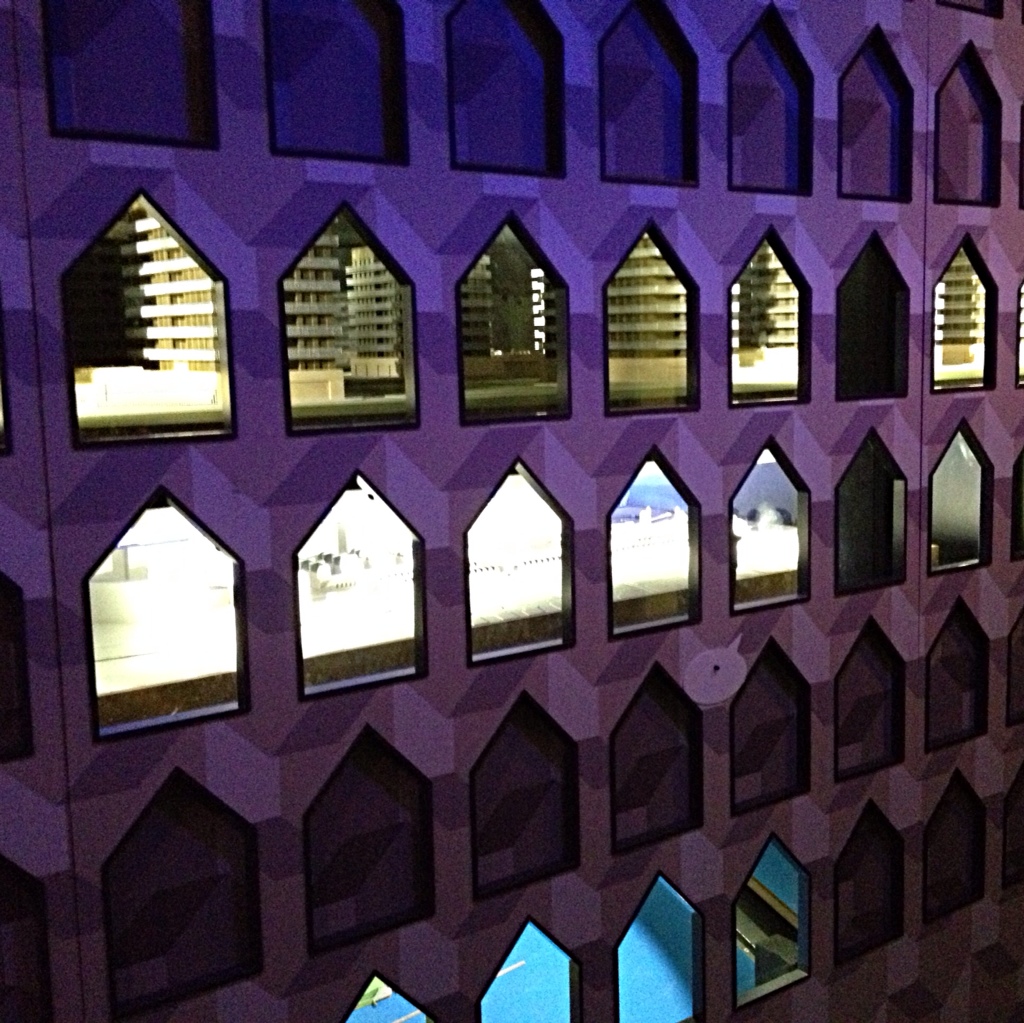
The displays at Het Nieuwe Instituut were fantastic and strange. They rather defy description. I think they aimed to express what architecture means to peope in the Netherlands, but i wasn't entirely sure (I guess like all great art?) Better to see (below) than to have me try to tell.


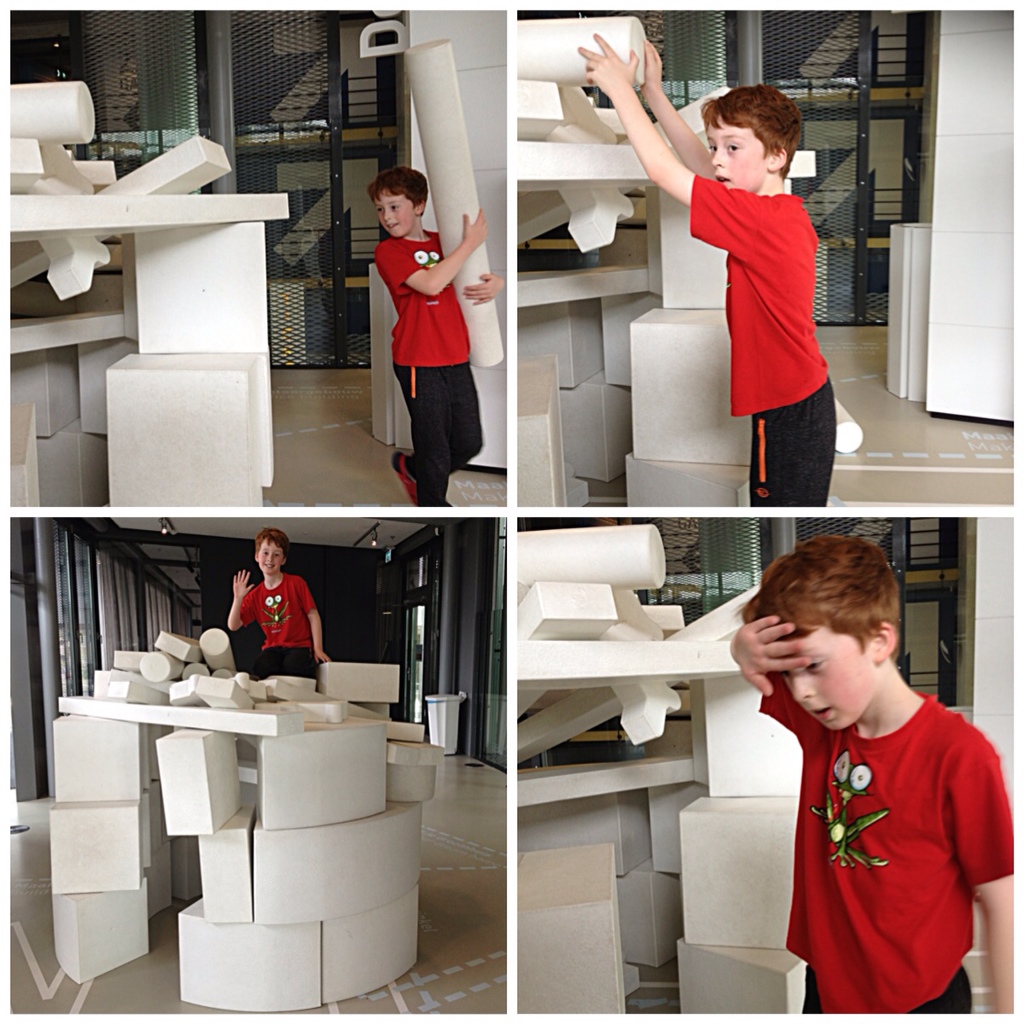
Whatever they meant, Oliver loved them, running from one display to the next, pointing things out. At the end he played for ages in a large building space. Here he used giant foam blocks to create his own architecture.


This afternoon Oliver and I sat in the hotel lobby and said goodbye to our conference friends. Some we will see at home, some we will be in touch with, some we won't see again until the next SARMAC conference (in Canada in 2015; Oliver is already planning to attend).

Tonight we had a final, quiet dinner with Rochelle — my wonderful, long term conference companion — and ran into still more conference friends starting to make their own way home.

Rochelle and Oliver at our last dinner in Rotterdam


Oliver is asleep now. And I will be soon. The last day and night of a wonderful trip together.

Thanks for reading about our adventures. We will see you soon in Sydney.

Amanda and Oliver

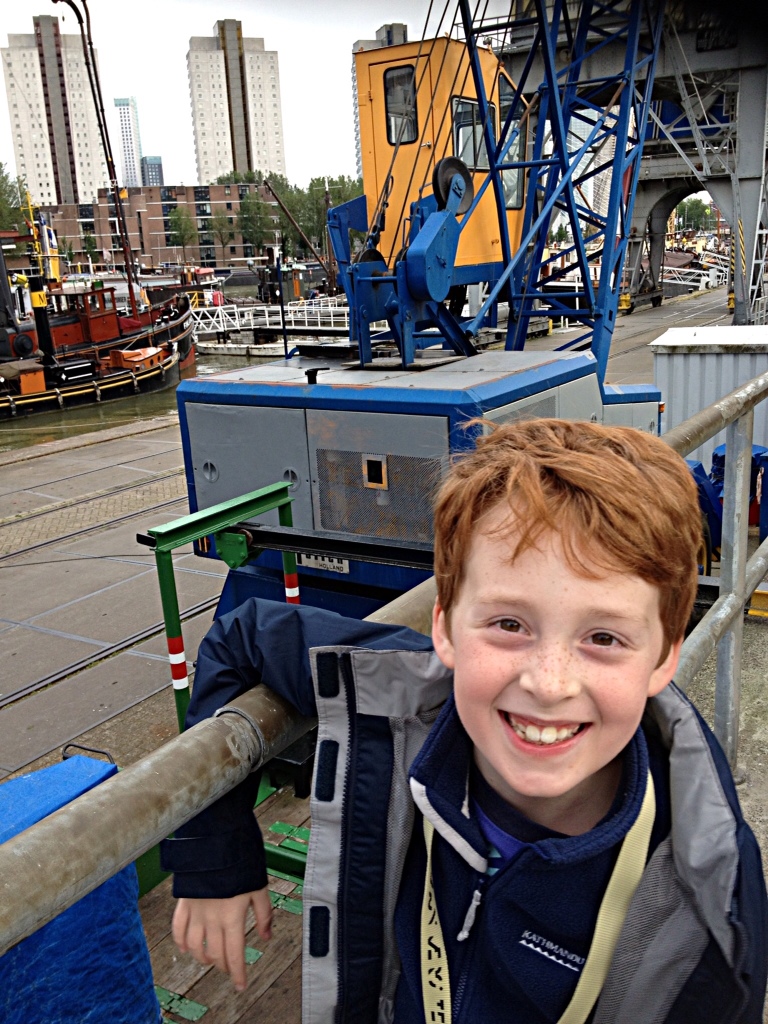
My favourite image of Oliver from our visit to Het Nieuwe Instituut


Rotterdam: A city rebuilt

On Wednesday morning Oliver and I packed our bags yet again and walked to Amsterdam Central Railway Station where we bought tickets to Rotterdam. I wish I had the knack of packing light because our bags have grown heavier with each stop; they now are full of solders, knights, books, soccer gear, Crumpler bags etc etc.

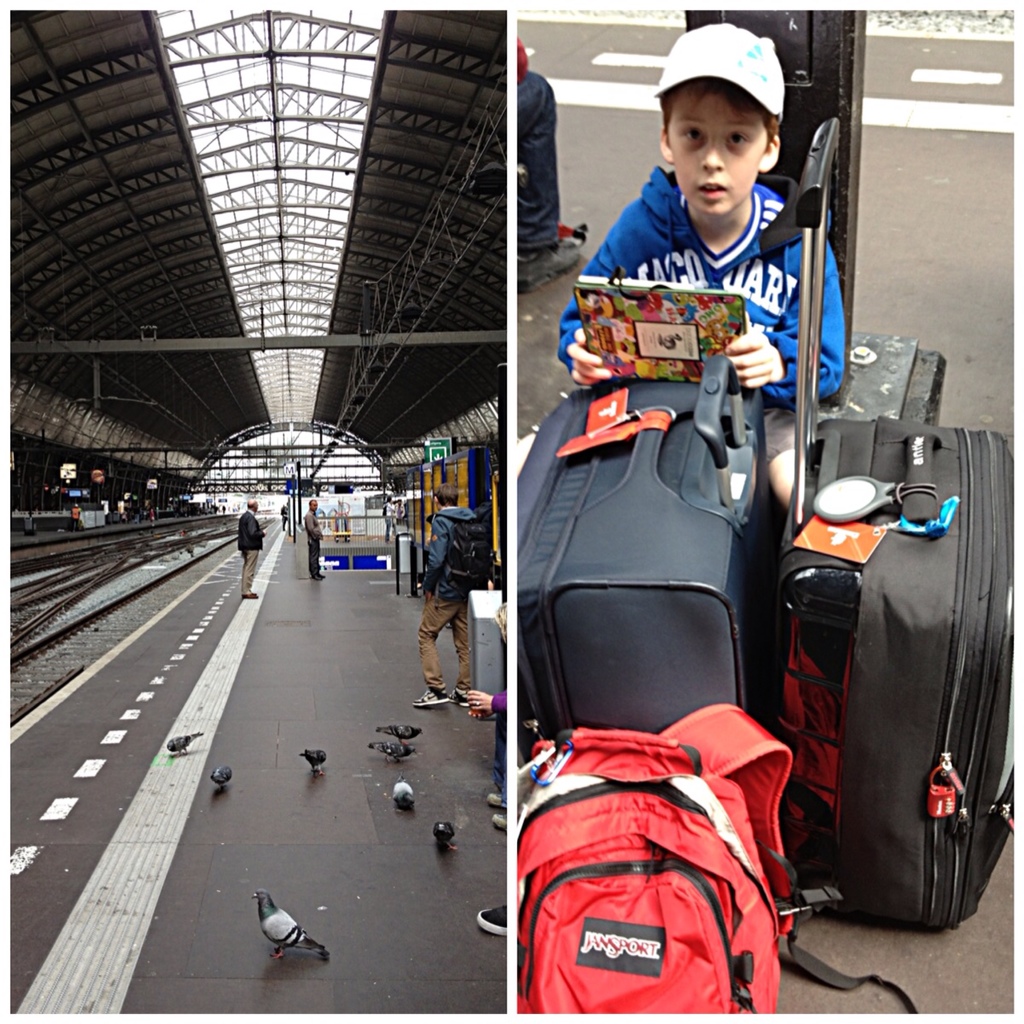
Waiting on the platform at Amsterdam Central Station


We arrived in Rotterdam after a slower than expected train journey then a race to the conference hotel in a pricey cab. My first conference session had already started, but I arrived just in time to give my 5 minute talk.

After the talk, we checked into our hotel. For reasons unexplained we were upgraded to a room in a 5 star hotel next to the conference hotel (at no extra cost). So our room easily is the biggest and fanciest we have had on this trip. The room is spacious. We have a spa bath (after no baths only showers everywhere else) and a TV embedded in the bathroom mirror! This morning Oliver enjoyed a bubbly spa bath while watching TV. We are on the top floor of the hotel with a wonderful view over the port of Rotterdam. Rotterdam is the largest port in Europe and the 5th largest port in the world.

Our room at the Mainport Hotel, Rotterdam


So Rotterdam very much is a working harbour, like Sydney, and we have wonderful views day and night of many different vessels.


Today I've been at the Biennial Conference of the Society for Applied Research in Memory and Cognition: giving two talks (one for myself and one for Penny Van Bergen; both went well), tossing around ideas, and lining up new connections for our team. Five other members of our team — Adam Congleton, Aline Cordonnier, Doris McIlwain, Amanda Selwood, and John Sutton — also gave talks today, which were very well received. Tomorrow and Saturday Rochelle Cox and Misia Temler, also from our group, will present their talks. So, busy.

Oliver went out and about today with the lovely Nina McIlwain, Doris and John's daughter. Oliver has loved being part of the conference scene, talking to people in the team and to researchers from all around the world. I think he is enjoying the limelight as the only kid at the conference. Nina was that kid once, as the daughter of two academics who have travelled far and wide to conferences. She is incredibly smart, articulate and warm and I hope Oliver turns out just like her!

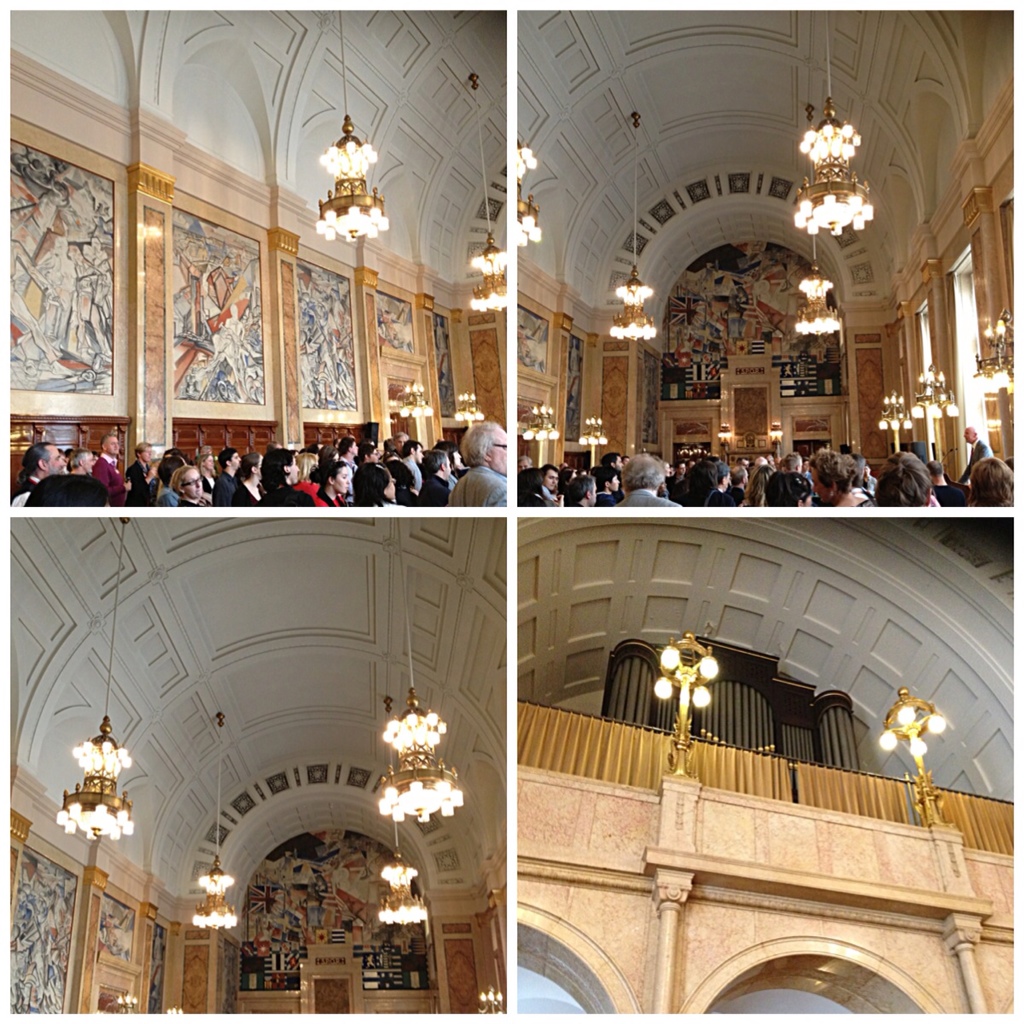
This evening we went to a reception at the Rotterdam City Hall, called Stadhuis. The City Hall, completed in 1915, is one of only two buildings that survived bombing by the Germans on 14th May 1940. On that day, German bombers razed to the ground almost the entire old city, much of it dating from medieval times. Here is what Wikipedia says about the Rotterdam Blitz:

In total, 1,150 50-kilogram and 158 250-kilogram bombs were dropped, mainly in the residential areas of Kralingen and the medieval city centre. Most of these hit and ignited buildings, resulting in uncontrollable fires that worsened the following days when the wind grew fiercer and the fires emerged into a firestorm … Although exact numbers are not known, nearly 1,000 people were killed and 85,000 made homeless. Around 2.6 square kilometres of the city was almost levelled. 24,978 homes, 24 churches, 2,320 stores, 775 warehouses and 62 schools were destroyed.

Below is a painting of Rotterdam sometime between 1890 and 1905, before World War II and the German bombing. You can see the Tower of St. Lawrence' Church, built around 1660, in the background:


Now here is a photo of Rotterdam after the German bombing. Again you can see the Tower of St. Lawrence' Church, this time in ruins:


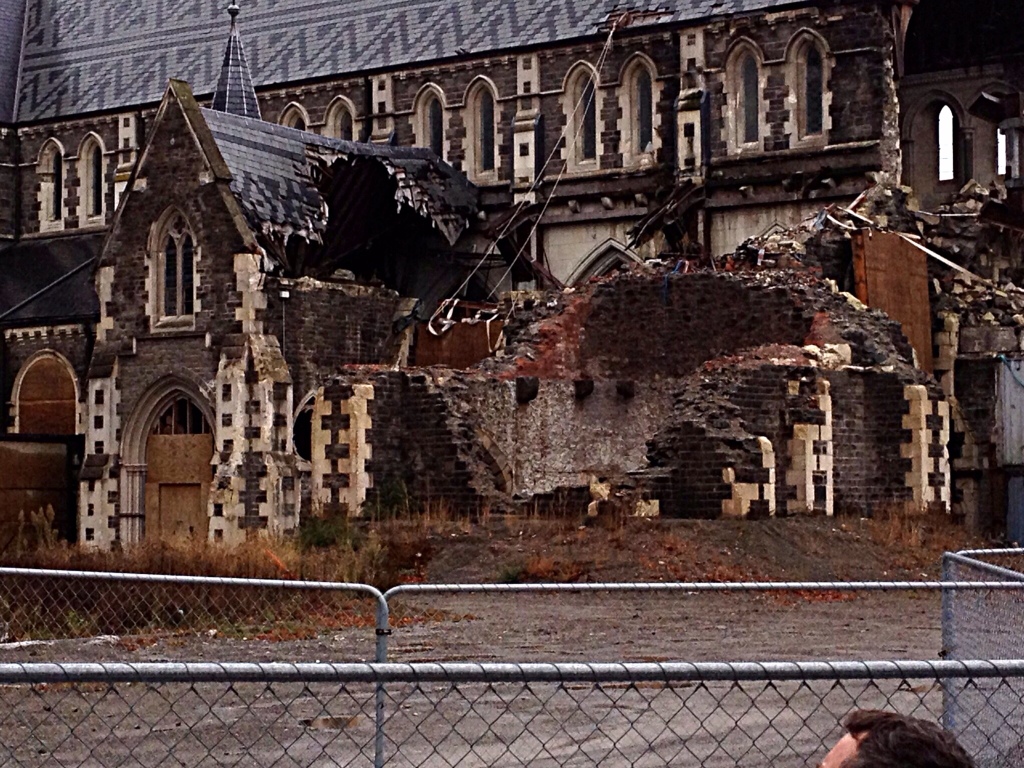
This photo reminded me of the destruction in Christchurch, New Zealand, still very evident two years after their devastating earthquakes (including the February 2011 earthquake). Here is a photo I took with my brother Gary in April this year. Like Rotterdam, almost all of Christchurch's buildings were destroyed and/or need to be pulled down. An entire city centre gone for all time.

The Christchurch Cathedral after the February 2011 earthquake


Will Christchurch be able to rebuild as Rotterdam has done so successfully? Circumstances are, of course, very different but it was inspiring to visit the beautiful Rotterdam Stadhuis — almost the lone survivor of an earlier age — and then walk outside and around their new Rotterdam.

Inside Rotterdam City Hall or Stadhuis

Inside Rotterdam City Hall or Stadhuis

Outside Rotterdam City Hall or Stadhuis

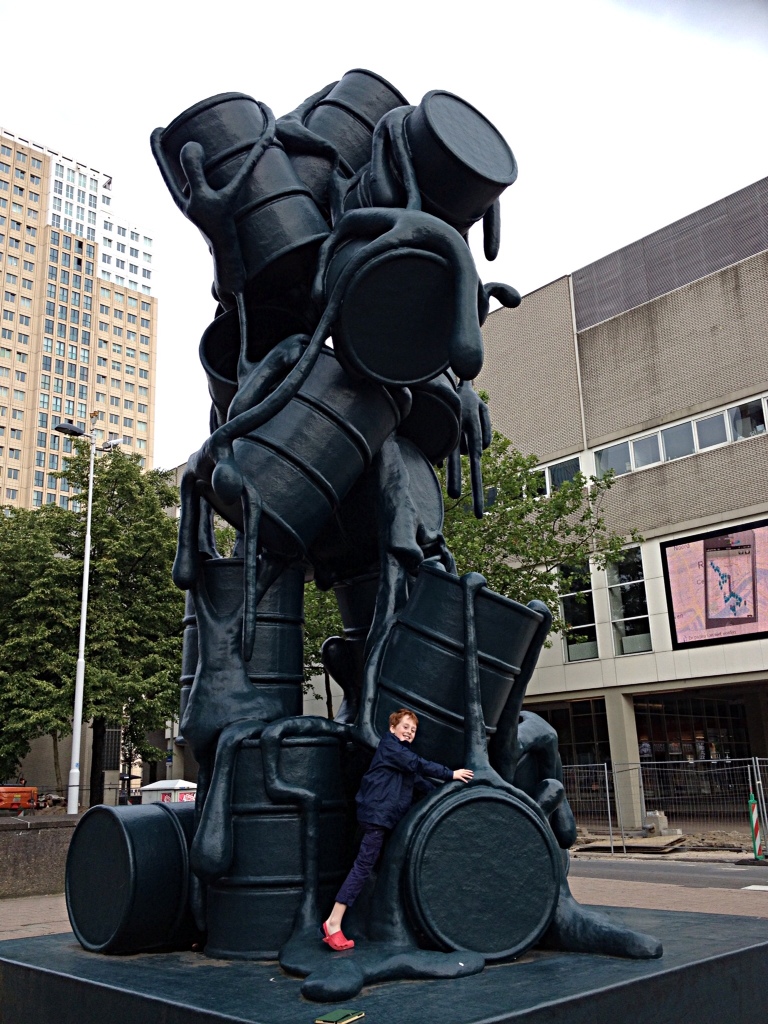
Modern Rotterdam


Tomorrow is more conferencing while Oliver and Nina seek out some fun. Then later in the day I hope to see more of Rotterdam with Oliver before final conferencing on Saturday and then we fly home from Amsterdam on Sunday. We will let you know what we discover!


Amsterdam, bikes, feeling at home and Crumpler

We interrupt our Legoland posts for a quick travel update!

Today Oliver and I travelled from Aarhus to Amsterdam via Copenhagen. This involved one bus ride, two flights and one train ride. It took about 6.5 hours. Oliver is becoming quite the seasoned traveller and, so long as I tell him each of the travel elements to expect for the day, he does not complain (although he is not looking forward to the long flights back to Sydney on Sunday).

Amsterdam seems crazy busy after the peaceful lane ways of Aarhus. The streets here are a profusion of trams and cars and motorbikes and bikes and pedestrians. So. Many. Bikes!!! I thought Aarhus had a lot of bike riders but Amsterdam is Aarhus X 1000. Bikes going everywhere. It makes total sense for the environment but it makes walking the streets precarious. And no one wears helmets. Not even little kids biked around by their parents. I love bike riding but I suspect riding here in Amsterdam would give me a heart attack! No photos unfortunately because I feared being run over if we stopped to click.

Oliver and I emerged this afternoon from our comfy hotel room (check out tomorrow is at noon; bliss!) for a quick scout around. Amsterdam reminds me of London during my first one or two visits; when I didn't know or understand the city; couldn't find my way around; didn't know its secrets. I think it takes a local to help you feel comfortable in cities like London, Amsterdam and perhaps Sydney. I really love London. I'm not intimidated by it. But Amsterdam felt intimidating this afternoon, not knowing where to go or what to see. And so crowded. We needed a local or a visiting “old hand”.

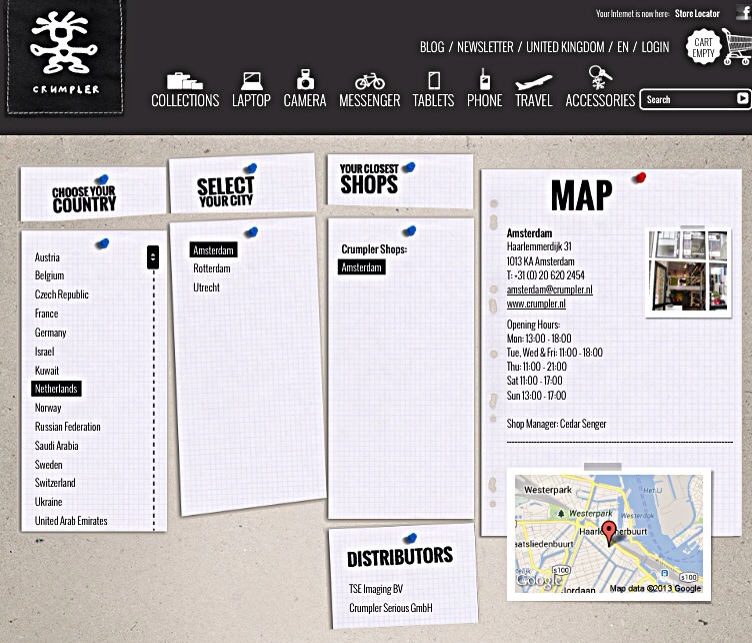
Instead we followed a map on my iPhone to the Amsterdam Crumpler Store. I planned this visit before we left Sydney! As some of you know, I love Crumpler bags and they sell entirely different ones here in Europe. I found out this afternoon that this is because Australian Crumpler sold their European business to a German company. The German company has kept the same logo, general styling and design philosophy but produced a different range of bags. Awesome!

The man in the store was super friendly and gave me a couple of sample cases (apparently they've been celebrating their birthday) and some Crumpler shopping bags. I picked up a few gifts for friends, a cool silver carry on bag for me (since Oliver and my bags are pretty full) and a funky little Crumpler man key ring. The store had so many wonderful bags, cases, notebooks and other stuff to chose from.

If you get the chance, go visit:

Crumpler Shop Amsterdam

Haarlemmerdijk 31

1031 KA Amsterdam

Telephone: +31 (0)20 620 24 54

amsterdam@crumpler.nl

http://www.crumpler.nl

Amsterdam Crumpler Store


Or read their blog: http://blog.crumpler.eu/en/

Tomorrow we catch the train to Rotterdam for the start of three and a half intensive days of conferencing, starting at 2.30pm with one of my three remaining spoken talks (the 5 minute one). Onwards!!

My new Crumpler bag!


Legoland! Part 1: Billund Resort, Denmark

This morning we caught intercity train 18 from Aarhus to Vejle. This train went on to Copehangen but we got off at Vejle after 45 mins.

We then caught bus no 143 from Vejle train station to Billund and a stop right outside Legoland. This ride took 35 mins. So the whole journey from Aarhus to Legoland took about 1.5 hours (and about the same time returning, although a little slower because of a wait between the bus and the train).

On the train to Legoland


We booked our tickets at Aarhus train station yesterday and the guides helpfully gave us details of train and bus numbers and connections, as well as calculated the best train and bus times so we arrived around 10am when Legoland opened and returned to Aarhus around 8pm for a reasonable bed time. Very helpful!

For Oliver and I, our all-in-one train and bus fare was 316 kroner (DK), although I think Ollie was free (up to 12 years). This is about $60 AUS. Not cheap but then I don't think much in Denmark is cheap. But the train and bus were cheaper and easier than hiring a car and driving ourselves (they drive on the “wrong” side of the road here in Denmark!!).

As an aside, I suspect we've spent way too much money in Denmark because the exchange rate is tricky. 1 DK is about AUS 20 cents. And AUS $1 is 5 DK. This seems harder maths when out and about (e.g., converting 359 DK to Australian dollars) than converting pounds to dollars (I usually just multiple pounds by about 1.5, but actually that underestimates the cost in Australia dollars, so I'm clearly not doing very well budget wise). I also wasn't able to put DK onto my Travelex cash passport. I found the cash passport super helpful in London for managing our spending and didn't use my credit card much. But for Denmark, I underestimated how much DK we would need when I exchanged money at Heathrow, and so have charged more expenses to my credit card, which means extra fees. I'll be back using the cash passport when we get to the Netherlands and euros tomorrow.

Tickets into Legoland cost 578 DK or AUS $110 for 1 adult and 1 child. I think this compares favorably with the cost of the Gold Coast theme parks. Entry into Legoland would have been 20% cheaper if we booked a week or more ahead but we didn't know which day we were going.

The entrance to Legoland Billund Resort, Denmark


So AUS $170 for transport and park entry. But once in, almost all rides and attractions are free (apart from two or three things we skipped).

We rode lots of rides in the 6-7 hours we were there; probably 12 different rides, some a few times. The wait in line never was more than 5-10 minutes. In comparison, I read on Trip Advisor that the wait for rides at Legoland Windsor typically is 40-60+ minutes! We skipped a few rides that looked busy and I also avoided most of the rides where you get soaked.

At Billund, most of the lines are under cover, which is great for the changeable weather (it showered on and off most days we were in Denmark, including our day at Legoland). And many of the areas set aside for queues are decorated with Lego displays to occupy you while waiting.

One of the Lego displays along the queue into the Dragen roller coaster


Legoland is super impressive. Apparently 60 million Lego bricks are used throughout the resort. The resort itself is immaculately clean and beautifully maintained. Even the garbage bins are shaped like Lego. The food is okay but very expensive, so I would recommend packing your own.

Lego garbage!


The resort is set out in themed areas, much like Seaworld or Dreamworld on the Gold Coast, but everywhere there are life size Lego figures, which make it especially charming and fun. We will post separately about the different areas, but for now, here are some photos of the figures around the park.


As you'd expect, there are many, many Lego outlets throughout the park, with Lego stuff not available in Australia. We enjoyed browsing and picked up a few small things.

Lego mini figure key rings. 3 for 99.95 DK!


In Part 2 we will write about and post pictures from different parts of the park. In Part 3 we will post pictures from Miniland, a huge highlight of our visit. And in Part 4 we will post pictures for Star Wars fans!


Sunday in Aarhus: Our Wimbledon rest day

The Wimbledon Championships at the All England Club, which start tomorrow, run over two weeks in June and July each year. Two weeks. Almost exactly the same length as our trip. At Wimbledon, the middle Sunday — the Sunday after the first full week of play — traditionally is a rest day. So too for us. Today we are having an easy day. Resting our legs and feet and preparing for our busy second week of travelling.


Tomorrow we are booked for a full day at Legoland Denmark. We need to be on a train just after 8am and then won't return to our hotel until after 8pm. On Tuesday we have two flights: Aarhus to Copenhagen and Copenhagen to Amsterdam. So another long day of travelling. On Wednesday we are catching a train to Rotterdam and launching straight into three and a half days of conferencing. My first talk is Wednesday afternoon. Then we fly home next Sunday.


So today is our Wimbledon rest day. It is quieter here in Aarhus than yesterday, Saturday. Perhaps everyone else is resting as well?

Oliver slept late this morning and we took our time heading to breakfast and then out and about. We considered visiting the ARoS Art Museum (ARoS Aarhus Kunstmuseum in Danish) or the Natural History Museum (Naturhistorisk Museum in Danish) at the University of Aarhus. But instead we agreed on a slow day.

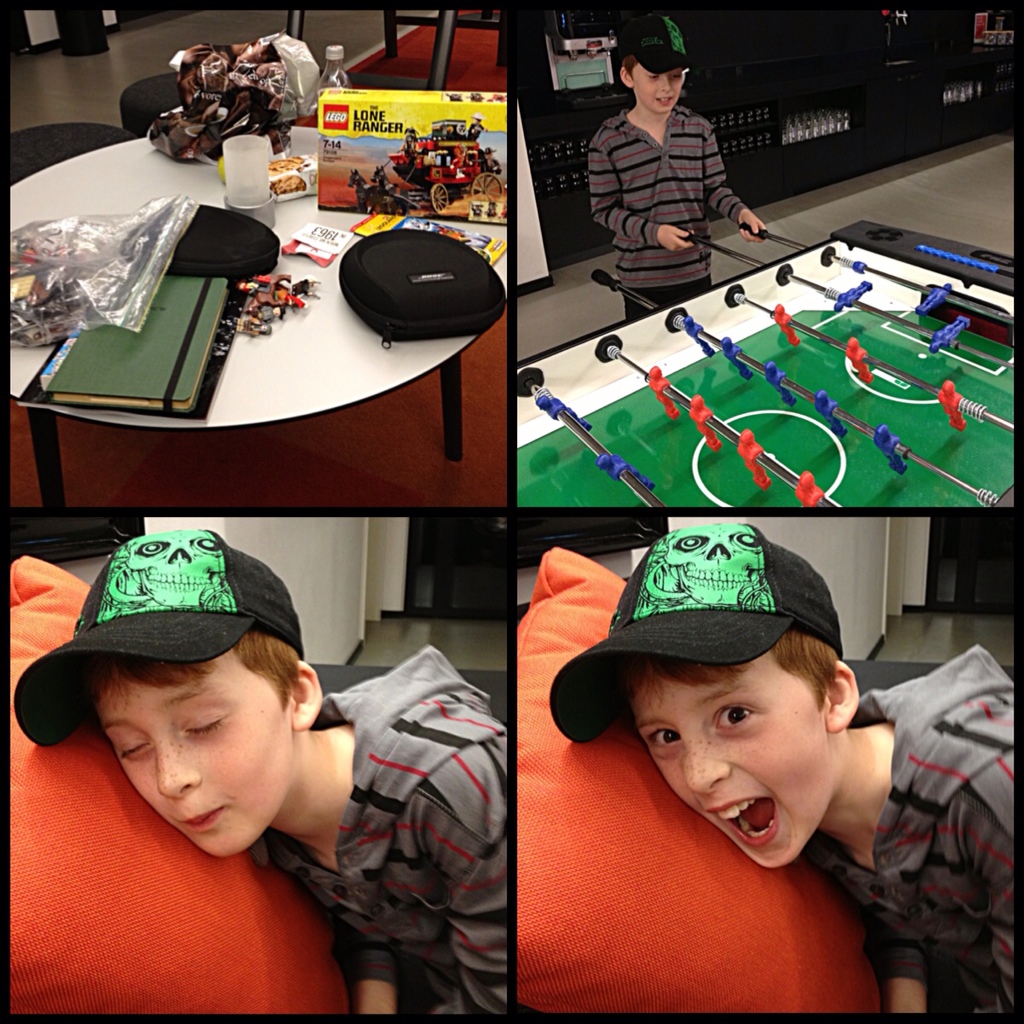
We crossed the street to browse Salling, a department store much like Myers in Sydney. Oliver bought some “Lone Ranger” Lego and I bought Louisa a cool, purple winter jacket (on sale since it is summer here). We then walked to the train station to buy our train tickets to Legoland for tomorrow.

Salling Department Store and Louisa's new jacket


Right now we are set up in a cosy corner of the lobby of our hotel (since our room is pretty compact). Oliver is building his Lego in between playing on a hotel computer and the foosball table. We have drinks and snacks and books and iPads and a plan to chill out until it's time for an early dinner.

Cozy in the hotel lobby


There is so much in Aarhus we could be seeing, but like the tennis players who make it through the first week at Wimbledon, we need to regroup and recharge. I think we will enjoy the days and sights to come if we stop rushing for one day and just breathe in and out for a while.

So more soon from us. Meanwhile, enjoy the tennis!


i Danmark (in Denmark)

This afternoon Oliver and I arrived in Denmark after a 10 hour journey from London. We flew to Copenhagen and then to Aarhus. Both of us are really tired after this journey on top of the flights from Sydney last Friday and Saturday.

We were supposed to attend an informal conference dinner this evening but arrived in town much later than expected. So we gave our apologies, had a quick take away meal, a brief walk around the city centre and now are planning to sleep (in fact Oliver is deep asleep as I type).

My first memory conference starts bright and early in the morning, so I want to be reasonably refreshed for it.

Three quick things I’ve noticed about Aarhus and then I promise some photos in the next few days; it is a beautiful town in very lush, green countryside.

First, the Danes here love their bikes. Bikes everywhere, which must be good for their mental health. I should ask Celia — who lived here for a year — whether they ride them in winter.

Second, no one seems to lock up their bikes. I noticed lots and lots of bikes in the street awaiting the return of their owners, but hardly any bike locks. That says something awfully nice about the place, don’t you think?

Which reminds me, the people we’ve met so far are lovely! One local overheard us at the airport talking about how to get into town. She stopped to give directions to a bus to town then walked off. After we gathered our things we saw her again outside the terminal, waiting for us and pointing to the bus. When we climbed aboard and said how glad we were to make the bus in time, the driver said he knew we were coming because the lady told him we needed the bus and would be out in a moment. Nice!

Third, it’s interesting to notice the somewhat distinct change in — what’s the word? — perhaps cultural background. Obviously the language sounds quite different to our ears (although it seems most Danes speak fluent English; apparently they learn it from 3rd grade). But I also noticed that colouring is quite different. Out of hundreds and hundreds of people we watched go by this evening, I noticed only two with red hair like Oliver’s. I read somewhere that the proportion of red heads in the population is decreasing but Scotland remains home to the largest proportion; 30% of Scots have red hair. Perhaps this explains why Oliver is going through a phase of speaking in an (as he thinks) Scottish accent and calling me “laddy”?!

Oliver made the man at the front desk laugh this evening when he asked if there was a way to change the language on the tv channels from Danish to English. Oliver had been watching some tv and trying to find an English speaking station. He thought the language was an option he could switch. “Unfortunately not” came the reply from the friendly fellow at the front desk.

I’m not sure what Oliver is making of these quite different – yet somewhat familiar – people and places. It must be a lot for an 8 year old to take in when his world has been much more narrowly bounded. He asked today on the plane to Copenhagen if there is a faster way to get home from Europe. He has still not quite recovered from the disruption of that crazy, long travel leg from Sydney to London. It seemed to him to take forever. Almost like going to the moon!

Or at least to the sea. I hear seagulls calling somewhere close by and perhaps even the sound of sailing boats clinking together. Soothing sounds for sleep. More soon!

Godnat!

Sunday morning

We had a very busy Sunday!

We started by catching the Tube from Paddington to Oxford Circus. We walked along Oxford Street all the way to Piccadilly Circus. After stopping for some breakfast we walked by a film set, which was just in one of the side streets. They were filming a period drama.

Having some breakfast then walking past the film set

We then walked on to the British Museum, which is such a great building inside and outside.

Outside and inside the British Museum

We first walked through the Egyptian collection. It is fabulous. Wonderful, huge carved figures and pieces of statues: heads, arms, bits of beards now missing off these statues in Egypt. I always feel a bit uncomfortable visiting this part of the British Museum and the Egyptian mummies section on the floor above it. As Oliver said:”Doesn't this stuff belong to the countries they found it in? Shouldn't they give it back?” I guess then we wouldn't have anything to see in the Museum but …

We then walked through the Greek section, which has lots of classical statues without clothes. Oliver found this hilarious and he will post about this separately. Finally we went upstairs to see the Egyptian mummies. Oliver found them a bit confronting. We've tried to make a mummy at home with a hot dog; preserving it in a mixture of salt and spices then wrapping it in bandages. But it's more gruesome, yet fascinating, when the mummies are people.

A painting Oliver liked in the Coptic section

Before we left we called into the gift store for a magnet (I collect them) and something for Louisa, then we headed back towards Oxford Street.

Our next stop was a Sports Direct store. We got a great tip from Flynn's mum (from Oliver's soccer team), Aurealia, that this is the place to buy soccer kit. Oliver is now the proud owner of a Chelsea kit (blue) and a Manchester United kit (red).

We jumped on the Tube again at Oxford Circus and headed up to Kings Cross Station to meet my friend Martin Conway and his partner Judith for lunch. They took us to a lovely restaurant near the canals where we chatted, ate lunch and had a long rest after so much walking. Martin is a Londoner and was a train driver before he became an academic, so he taught Oliver some cockney slang.

It was a busy morning!